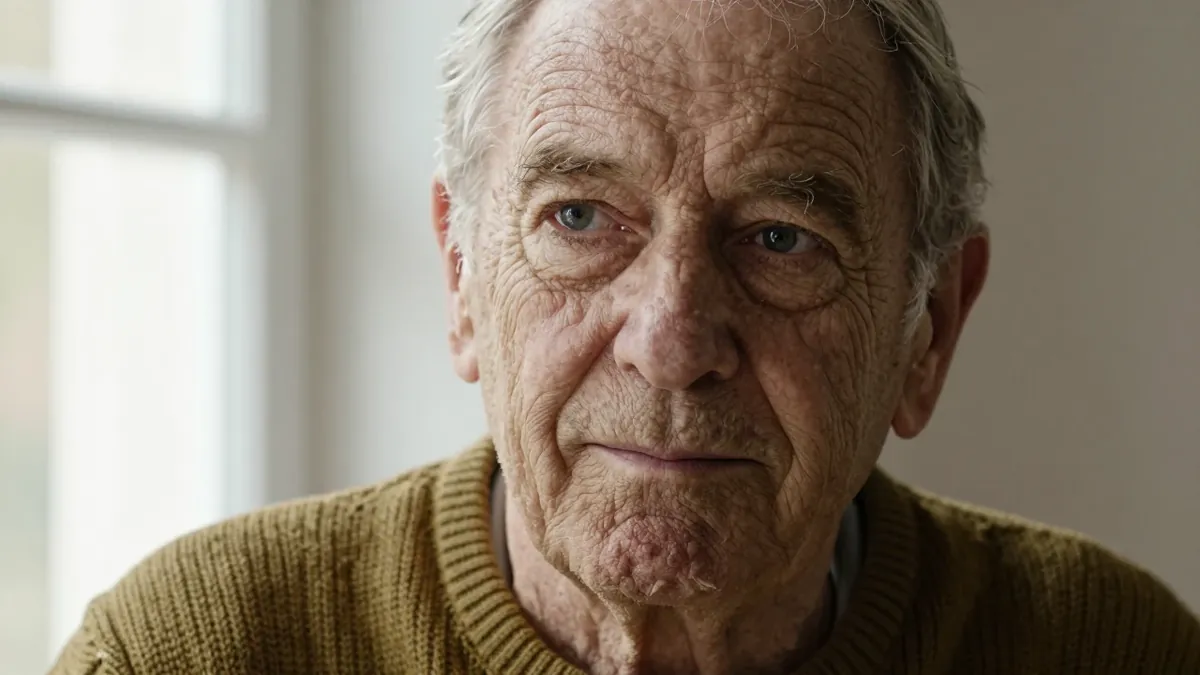
Wolverhampton Wanderers have announced the death of their former striker Hugh Curran at the age of 82. The club confirmed the news this week, paying tribute to the prolific forward who made just shy of 100 appearances and scored 47 goals for Wolves between 1969 and 1972.
Curran's passing comes as the current Wolves squad, managed in the Championship, deals with its own challenges, including the sidelined trio of Kieran Trippier, Rafiki Saïd, and Yerson Mosquera. The club's official statement expressed sadness at the loss of a player fondly remembered by a generation of supporters.
Hugh Curran signed for Wolverhampton Wanderers in January 1969 for a fee of £60,000 from Norwich City. He immediately joined a formidable attacking line that included Derek Dougan, Dave Wagstaffe, and Peter Knowles. Curran marked his debut month by scoring his first Wolves goal at home against Manchester United in February 1969. His impact was instant and significant.
He finished his first full season at Molineux as the club's top scorer with 23 goals. His running power and scoring prowess made him a fan favourite, with the chant 'They call him Hughie, Hughie, faster than lightning' regularly heard from the terraces. Curran's contribution was vital in the 1970-71 campaign, where his 20 goals helped Wolves finish fourth and qualify for the inaugural UEFA Cup. Fans can explore the history of such impactful players on the club's stats page.
Born in Lanarkshire, Scotland, Hugh Curran's football journey was unconventional. His family moved to Dublin when he was 11, where he began his career at Home Farm. He had youth spells at Shamrock Rovers and Manchester United before being released at 19. After returning to Scotland with Third Lanark and a stint at Corby Town, he was spotted by Millwall.
Curran signed his first professional forms at Millwall, helping them win promotion to the third tier with 19 goals in his first season. A move to Norwich City followed in 1966, where he spent three years, scored 53 goals, and was named the club's player of the year in 1968. After leaving Wolves in 1972, he had two spells at Oxford United either side of a stint at Bolton Wanderers, retiring in 1979 due to injury.
While playing for Wolverhampton Wanderers, Hugh Curran earned five caps for Scotland. He made his international debut in a World Cup qualifier against Austria in November 1969. His only goal for his country came in a famous setting, scoring against England at Wembley in May 1971, although Scotland lost the match 3-1. This period represented the peak of his career, combining club success with national recognition.
Curran's legacy extends beyond his goal tally. He played a mentoring role for a young John Richards, with the pair first playing together in Richards' debut away at West Bromwich Albion in February 1970. In that Black Country derby, Curran scored twice in a 3-3 draw. His final appearance for Wolves was in the second leg of the 1972 UEFA Cup final against Tottenham Hotspur, a game that marked the end of his time at the club as John Richards and Derek Dougan emerged as the primary strike force.
After retiring, Curran returned to his hometown of Carstairs and ran a hotel. He later became a landlord, running four pubs named The Red Lion across Oxfordshire and London. He remained in regular contact with several of his former Wolves teammates until his passing. The current squad, whose injuries list includes key players, continues a tradition of resilience that Curran embodied during his playing days.
His contribution is cemented in the club's history, a fact supporters are reminded of when they look at the standings and see Wolves competing, just as they did during Curran's era. Hugh Curran's final competitive match for Wolverhampton Wanderers was in a European final, a fitting end for a player who gave fans so many memorable moments.