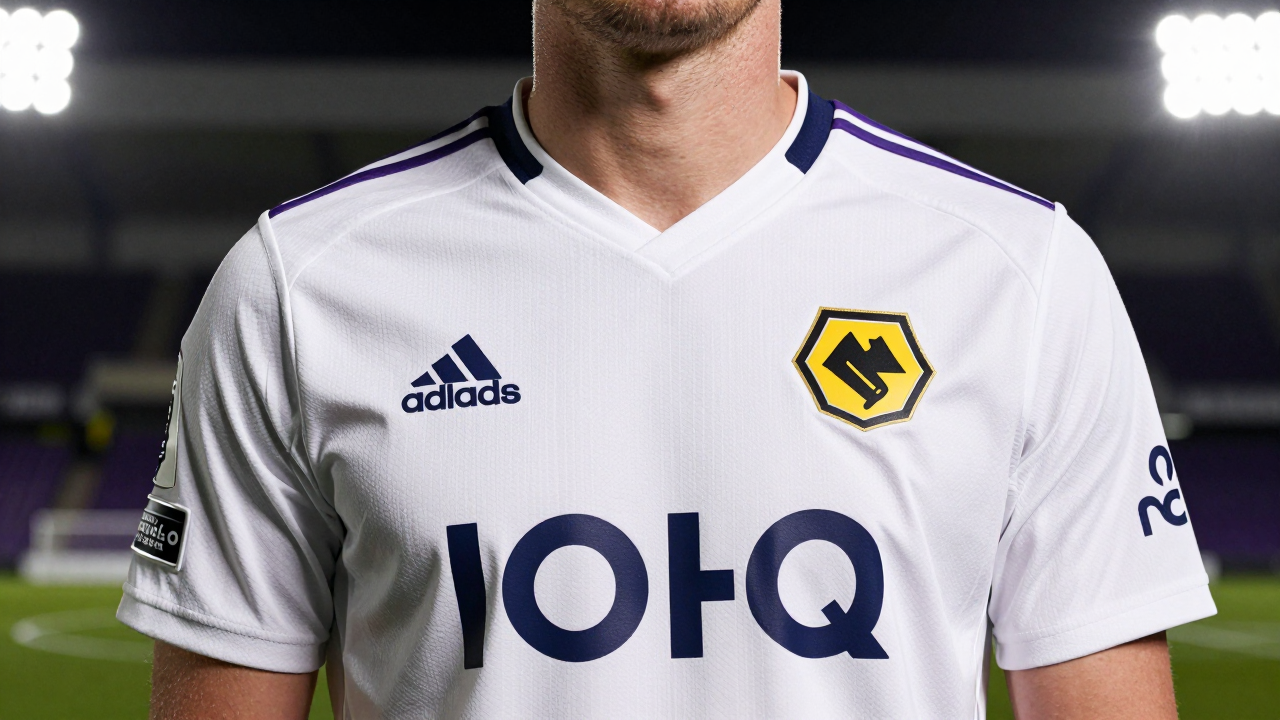

Wolverhampton Wanderers' home kit transformation from 1931 to the early 1960s is now documented in a new club feature, marking the start of the 150th campaign. The piece, written by club historian Pete Crump, details how a darker gold shade, hooped socks and a rare rayon silk shirt reshaped the iconic look.
How did the "Old Gold" era begin?
In 1931 the club introduced a deeper gold tone that fans still call the ‘Old Gold’. That colour persisted until 1954, anchoring the team’s identity for over two decades. Between 1931‑1935 the socks stayed black, but 1935 saw the debut of the famous gold‑and‑black hooped socks, a design that would stay until 1962. The 1939 FA Cup Final even featured the town coat of arms on the shirt, reinforcing local pride.
What was the purpose of the 1951 rayon silk shirt?
November 1951 brought an experimental jersey made from artificial silk, intended to catch the floodlights at Molineux. It appeared in the second half of three league games – against Charlton Athletic, Middlesbrough and Manchester City – and later in a youth match near Tividale. To the naked eye the shirt looked salmon‑pink, yet under artificial light it shifted, helping the club move from the darker Old Gold to a brighter shade.
Why did the club switch to a lighter gold in 1954?
The opening home programme for the 1954/55 season announced a “brighter strip” to replace the old gold that struggled under winter floodlights. Journalist Phil Morgan described the new shirts as “merry marigold”, a term that stuck. By 1956 the kit resembled modern football shirts, shedding its rugby‑top look. The gold from 1956‑1960 matched today’s “yellowy gold”, while the 1960 FA Cup final introduced an orangey hue, reflecting another subtle shift.
What legacy does this history leave for Wolves today?
The evolution of the home kit shows how Wolves have balanced tradition with innovation. The coat of arms reappears in modern designs, linking past celebrations – like the 1947/48 centenary of municipal borough status – with current branding. Fans now wear a gold that traces back to the 1930s, yet benefits from decades of refinement. This continuity fuels the club’s identity as it heads into its 150th season.